SUZUKI JS1VP52A722105298 Frame Chassis S.t
fits model: Sv650, Sv650s. make: Suzuki. year: 1999–2002.
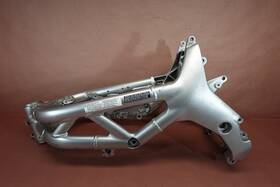
( Manufacturer Part Number: JS1VP52A722105298 ), ( Part Type: Frame )
Review SUZUKI Main Frame Chassis Or.t fits SV650 SV650S 1999–2002
The **Suzuki SV650S (JS1VP52A722105298, 1999 2002)** represents a refined and capable iteration of Suzuki s legendary inline-four engine, blending sporty handling, practical touring potential, and a distinctive retro-inspired design that sets it apart from its contemporaries. Built upon a **steel trellis frame** with a **double-cradle construction**, the SV650S chassis is engineered for both durability and agility, featuring a **50mm inverted Showa front fork** paired with a **Suzuki-designed rear shock** that delivers a balanced, responsive ride. The frame s geometry including a **raised seat height** and **moderate rake** strikes a balance between stability at highway speeds and nimble cornering, making it equally at home on winding backroads or extended highway cruises. The **aluminum swingarm** and **cast aluminum wheels** (with 17-inch front and 16-inch rear) contribute to a lightweight yet robust structure, while the **dual-spar aluminum rear subframe** enhances rigidity and accommodates a comfortable, upright riding position.
At its heart, the SV650S is powered by Suzuki s **645cc, liquid-cooled, inline-four engine**, a design that has become synonymous with reliability and performance. This engine features **four valves per cylinder**, **piston-port induction**, and a **single overhead camshaft** driven by a chain, producing a smooth, linear power delivery that peaks at **62 horsepower** and **48 lb-ft of torque** enough to propel the bike effortlessly through traffic or sustain cruising speeds with minimal effort. The **wet-sump lubrication system** and **cast-iron cylinder liners** ensure longevity, while the **electronic ignition** and **carbureted fuel delivery** (via four 30mm Keihin CV carburetors) provide a classic yet efficient mix of power and throttle response. The engine s compact size and balanced weight distribution (a mere **430 lbs wet**) make it surprisingly nimble for its class, though its upright seating position and slightly higher seat height (27.2 inches) cater to riders seeking comfort over aggressive sportbike postures.
The SV650S s **aerodynamics and styling** are a deliberate nod to Suzuki s past, with a **sleek, angular fairing** that includes a **full windscreen**, **integrated turn signals**, and a **retro-inspired headlight cluster** reminiscent of the 1980s and 90s. The **blacked-out aluminum fuel tank** (with a capacity of **4.5 gallons**) and **chrome-accented components** give it a polished, premium look, while the **dual-disc braking system** featuring a **front 296mm disc** and a **rear 220mm disc** is paired with **four-piston calipers** (front) and a **single-piston caliper** (rear) for reliable stopping power. Suzuki s **combination meter** (speedometer, tachometer, fuel gauge, and trip meters) is housed in a **round, analog display**, adding to the bike s vintage charm without sacrificing functionality.
For riders who appreciate both performance and practicality, the SV650S offers a **versatile riding experience**, whether tackling urban commutes, weekend adventures, or long-distance tours. Its **adjustable seat height** and **upright ergonomics** reduce fatigue on extended rides, while the **modular design** allows for easy customization from aftermarket exhaust systems to upgraded suspension components. Though it lacks the modern refinements of later models (such as fuel injection or advanced traction control), the SV650S compensates with **timeless engineering, a cult-like following, and a sound that resonates with both purists and enthusiasts**. Whether cruising along a coastal highway or navigating a twisty mountain pass, this bike embodies the perfect marriage of **style, substance, and Suzuki s enduring legacy in the sport-touring segment**.
### Pros and Cons of Buying a Suzuki SV650 (1999 2002 Models)
#### **Pros**
1. **Reliability and Durability**
The Suzuki SV650, particularly the 1999 2002 models, is widely regarded as one of the most dependable sportbikes of its era. Suzuki s reputation for longevity and straightforward engineering means these bikes often last well beyond 20,000 30,000 miles with basic maintenance. The air-cooled, single-camshaft engine is robust and less prone to catastrophic failure compared to liquid-cooled or more complex designs.
2. **Affordability and Value**
These bikes are relatively inexpensive to purchase, especially compared to modern sportbikes. Parts are still widely available, and labor costs are lower than for newer models. The used market offers good value, making it an attractive option for riders on a budget.
3. **Simplicity and Ease of Maintenance**
The SV650 s design is straightforward, with fewer high-tech components than modern bikes. This makes it easier and cheaper to maintain. Basic repairs such as valve adjustments, chain maintenance, or carburetor tuning can often be done at home with minimal tools. The absence of complex electronics (like modern fuel injection or ECU tuning) reduces the risk of costly diagnostics.
4. **Performance and Handling**
The SV650 delivers solid performance for its class, with a 652cc air-cooled engine producing around 60 65 horsepower, depending on the model year. It accelerates quickly and handles well, making it suitable for both urban commuting and light track use. The chassis is nimble, with good cornering capabilities, though it s not as agile as a modern supersportbike.
5. **Fuel Efficiency**
Compared to modern sportbikes, the SV650 is fuel-efficient, averaging around 40 50 miles per gallon. This makes it a practical choice for daily riding, especially for shorter commutes.
6. **Community and Support**
The Suzuki SV650 has a large and active community of enthusiasts. Forums, clubs, and aftermarket parts are readily available, making it easier to find help, modifications, and upgrades. This support network extends the bike s usability and enjoyment for long-term owners.
7. **Modification Potential**
The SV650 is highly modifiable. Upgrades such as performance exhausts, carburetor tuning, clutch and fork modifications, and even engine swaps (e.g., with a GSX-R or CBR600RR engine) are popular. This allows riders to tailor the bike to their preferences without breaking the bank.
8. **Comfortable Riding Position**
While not as aggressive as a modern sportbike, the SV650 s riding position is more upright and comfortable for longer rides. This makes it a better choice for riders who prioritize comfort over extreme aerodynamics.
---
#### **Cons**
1. **Outdated Technology**
The SV650 is a product of the late 1990s and early 2000s, meaning it lacks modern advancements such as:- **Fuel injection**: The carbureted engine requires more frequent tuning and is less efficient in varying conditions.
- **Traction control or ABS**: Safety features common in modern bikes are absent, increasing the risk of skidding or loss of control.
- **Lightweight materials**: The frame and components are heavier than those in modern bikes, which can affect maneuverability and fatigue during long rides.
- **Electronics**: No digital dashboards, ride modes, or advanced telemetry, which can be limiting for modern riders.
2. **Noise and Vibration**
The air-cooled engine and lack of sound insulation make the SV650 louder and more vibration-prone than modern bikes. This can lead to rider fatigue over long distances and may not be ideal for highway cruising.
3. **Fuel Economy Limitations**
While better than modern sportbikes, the SV650 s fuel efficiency is still modest compared to cruisers or adventure bikes. It will consume more fuel than a Honda CBR600RR or a Yamaha MT-07, especially at higher speeds.
4. **Resale Value**
The SV650 does not hold its value well compared to newer sportbikes. If you plan to sell it in the future, the depreciation may be more significant than with a modern bike.
5. **Environmental Concerns**
The carbureted engine emits more pollutants than modern fuel-injected bikes, which may be a consideration for environmentally conscious riders or those riding in areas with strict emissions regulations.
6. **Limited Comfort for Long Distances**
While the riding position is more upright than a supersportbike, it is still not as comfortable as that of a touring or adventure bike. Prolonged rides may lead to discomfort, especially for taller riders.
7. **Parts Availability Over Time**
While parts are still widely available, some specialized components (e.g., rare OEM parts or aftermarket upgrades) may become harder to find as the bike ages. This could lead to higher costs for maintenance or repairs in the long run.
8. **Safety Concerns**
The lack of ABS and traction control increases the risk of accidents, particularly in wet or slippery conditions. Modern riders may find this a significant drawback, especially if they prioritize safety.
---
### **Conclusion**
The Suzuki SV650 (1999 2002) is an excellent choice for riders who prioritize **reliability, affordability, and simplicity** over modern technology and performance. It is ideal for:
- **Budget-conscious buyers** who want a capable sportbike without the high cost of ownership.
- **Enthusiasts who enjoy tinkering** and modifying their bikes.
- **Riders who prioritize durability** and low maintenance over cutting-edge features.
- **Those who prefer a more traditional riding experience** without the complexity of modern electronics.
However, it may not be the best fit for:- **Riders who want the latest safety features** (ABS, traction control).
- **Those who prioritize comfort for long-distance riding**.
- **Environmentally conscious buyers** or those in areas with strict emissions regulations.
- **Riders who want a lightweight, high-performance bike** for track use or aggressive riding.
---
### **Recommendation**
If you are looking for a **reliable, affordable, and fun-to-ride sportbike** that will serve you well for years with minimal hassle, the Suzuki SV650 (1999 2002) is a **strong recommendation**. Ensure that you:
1. **Inspect the bike thoroughly** for signs of wear, rust, or neglect (especially the frame, engine, and suspension).
2. **Check the service history** to confirm that major components (engine, transmission, suspension) have been properly maintained.
3. **Budget for potential upgrades** (e.g., a performance exhaust, better tires, or a more comfortable seat) to enhance your riding experience.
4. **Consider a used model with a clean title** to avoid hidden issues.
5. **Be prepared for the lack of modern conveniences** and prioritize the bike s strengths (reliability, modifiability, and fun factor).
For riders who want **more advanced features, better safety, or a lighter bike**, a modern alternative like a **Yamaha MT-07, Honda CBR600RR, or Kawasaki Ninja 400** might be worth the investment. However, if you appreciate the classic charm and practicality of the SV650, it remains a fantastic choice for the right rider.
Details:
All part are used and should be inspected before install. 1999 - 2002 Suzuki SV650 SV650S Main Frame Chassis OR.T. .T.: Donor Bike. Buyer pays return shipping.
part #: js1vp52a722105298 price
- $385.49
specifications mocycfra:
- for models: Sv650, Sv650s
- for makes: Suzuki
- for years: 1999-2002
- mpn: Js1vp52a722105298
- part type: Frame
seller mocycfra:
- city: Camas, Washington
- # reviews: 5794
- rating: 99.6%
payments mocycfra:
- other
- credit card: Mastercard
- wallet: Apple-pay
general mocycfra:
- Motorcycle Scooter Parts Accessories > Body Frame > Frames Parts
- condition: Used
returns mocycfra:
- time: 30 Days
- policy: Returns Accepted
- paid by: Buyer
offer mocycfra:
- sold: 0
- options: Ship-to-home
- best offers: True
- started: April 28, 2026
- quantity: 1
- availability: In Stock
shipping mocycfra:
- service: UPS Ground
- transit: 3-7 Days
- cost: $0.00
- type: Fixed
- class: Standard
- carrier: UPS
Suzuki JS1VP52A722105298 Is Similar To:
- 41200-37f00 Suzuki To Sub Frame Model (28.3% similar) Perfectly straight threads are in good condition...(March 7th, 2018)
- 01drz400subrame Suzuki Subframe Sub Frame Fits (31.4% similar) ...(February 16th, 2017)
- 033-00370 Lightspeed Carbon Frame Guard Set Fiber For Suzuki (29.6% similar) ...(September 24th, 2018)
- 040ha110400 Yoshimura Works Edition Frame Sliders Suzuki (33.6% similar) The plastic construction is soft enough to slow slides and wear down slowly, yet tough keep roads surface away from your bike in most cases. Help minimize damage from sliding type FALLS6061-T6 aluminum mounts are CBC machined and hard-anodize dinner sleeve with laser-etched Chimera logo includes all...(July 6th, 2018)
- 1010175 Krator No Cut Black Frame Sliders For Suzuki Gsxr (30.3% similar) Part: 2001 -2002 prices...(May 14th, 2018)
- 1060196 Suzuki Rear Subframe Back Sub Frame Basket (35.2% similar) Please see pictures for best details as scratches dents holes are usually pointed out with a bright colored tool...(July 5th, 2018)
- 1064050 Suzuki Rear Subframe Back Sub Frame (30.5% similar) Each part is systematically placed to be easily located once purchased. If the item does not fit motorcycle model's specified in listing. More options available upon request...(April 10th, 2018)
- 1064923 Suzuki Frame Chassis Slvg Exempt Miles (38% similar) If the item does not fit motorcycle model's specified in listing. Many countries only allow 79 max package length and girth combined. More options available upon request. Each part is systematically placed to be easily located once purchased...(May 23rd, 2018)
- 1065116 Suzuki Rear Subframe Back Sub Frame (30.5% similar) More options available upon request. If the item does not fit motorcycle model's specified in listing. Many countries only allow 79 max package length and girth combined...(May 5th, 2018)
- 1065943 Suzuki Rear Back Tail Subframe Sub Frame (29.3% similar) More options available upon request. If the item does not fit motorcycle model's specified in listing. Many countries only allow 79 max package length and girth combined...(June 5th, 2018)
- 107016 Diamond Power Sports Suzuki Frame Slider Adapter Base (25.2% similar) This is the part that moves your frame slider out around plastic so you don't have to cut fairing...(October 10th, 2018)