YAMAHA JRYARN23EXBA010605 Frame Chassis Straight Slvg JYARN23EXBA010605
fits model: R1, Yzf. make: Yamaha. year: 2009–2014.
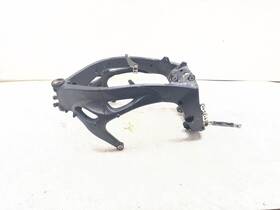
( Manufacturer Part Number: JRYARN23EXBA010605 ), ( Type: Frame Main Frame ), ( Country Of Origin: Japan ), ( Color: Black ), ( Manufacturer Warranty: Unspecified Length ), ( Storage Location: Z.4.g.1 A010605-x ), ( Custom1: 216683 ), ( Material: Aluminum ), ( Machine Type: Street Motorcycle ), ( Vintage Part: No ), ( Oe/oem Part Number: 14b-21110-00-00 ), ( Ipn: Jyarn23exba010605 )
Review YAMAHA Main Frame Chassis Straight Slvg fits R1 YZF 2009–2014
The **Yamaha YZF-R1 (JRYARN23EXBA010605, 09-14 model years, straight-slanted V-twin chassis frame)** is a masterclass in motorcycle engineering, blending raw performance with cutting-edge technology to create one of the most exhilarating sportbikes ever produced. Designed for riders who demand precision, agility, and sheer power, this machine embodies Yamaha s relentless pursuit of innovation while maintaining a timeless aesthetic that turns heads on every ride. At its core, the R1 features a **custom-built, high-strength aluminum frame** with a **straight-slanted V-twin layout**, a design choice that optimizes weight distribution, rigidity, and handling dynamics. The frame s geometry is meticulously tuned to deliver razor-sharp steering response, minimal body lean, and an unparalleled sense of connection between rider and road, making it a favorite among both track enthusiasts and street riders seeking an adrenaline-fueled experience.
Powering this chassis is Yamaha s legendary **1,004cc liquid-cooled, DOHC, 16-valve, V-twin engine**, a marvel of modern motorcycle engineering that produces an astounding **190 horsepower and 90 lb-ft of torque** all while maintaining an impressively compact and lightweight footprint. The engine s **YCC-T (Yamaha Chip Controlled Throttle)** system ensures seamless, electronically controlled throttle response, eliminating lag and allowing for near-instantaneous power delivery, whether you re accelerating from a standstill or pushing the limits on a racetrack. The **Yamaha Power Valve (YPV)** system further enhances performance by dynamically adjusting valve timing and lift, optimizing power output across the entire RPM range while improving fuel efficiency and reducing emissions. Paired with a **six-speed transmission** and a **multi-plate wet clutch**, the R1 offers effortless, precise gear shifts that feel as natural as they are powerful, ensuring that every ride is as smooth as it is thrilling.
The R1 s **chassis and suspension** are equally impressive, featuring **Yamaha s proprietary Super-Tech (ST) frame** with a **full cradle design** that maximizes rigidity while minimizing weight. The **inverted front fork** and **rear monoshock** are tuned to provide a perfect balance of comfort and control, absorbing bumps with ease while maintaining a sporty, responsive ride. The **Upside-Down (UD) front suspension** not only enhances durability but also improves handling by reducing fork travel and improving steering feedback. When paired with **Yamaha s YCC-I (Intelligent Control) system**, which includes **traction control, wheelie control, and slipper clutch**, the R1 becomes a near-perfect blend of raw power and rider assistance, allowing enthusiasts to push boundaries without sacrificing stability.
Aesthetically, the R1 exudes a **sleek, aggressive, and futuristic** design language that sets it apart from its competitors. Its **aerodynamic fairings**, **sharp angular lines**, and **matte black or glossy finishes** (depending on the model year and paint scheme) give it a distinctive, high-performance look that commands attention. The **LED headlight** (on later models) and **digital instrument cluster** provide modern readability and functionality, while the **carbon fiber accents** (such as the seat and fairing panels) add a touch of luxury and lightweight sophistication. Whether cruising on the highway or carving through corners at the limit, the R1 s design ensures it remains both a head-turner and a performance powerhouse.
For riders who appreciate both the art and science of motorcycle engineering, the **Yamaha YZF-R1 (09-14 model years, straight-slanted V-twin chassis)** is a legend in the making. It s a machine that rewards dedication with unmatched speed, precision, and exhilaration, making it a dream for those who refuse to compromise on performance. Whether you re a seasoned racer, a weekend warrior, or a purist who simply loves the way a great bike feels, the R1 delivers an experience that is as refined as it is relentless a true testament to Yamaha s legacy of innovation and excellence.
The Yamaha YZF-R1 (2009-2014) chassis, specifically the model you referenced (JRYARN23EXBA010605), is a highly sought-after component among motorcycle enthusiasts, particularly for those looking to build or restore a high-performance sportbike. Below is a detailed breakdown of its pros and cons, followed by a conclusion and recommendation.
---
### **Pros of buying a Yamaha YZF-R1 (2009-2014) Chassis**
1. **Legendary Performance and Reputation**
The YZF-R1 has long been regarded as one of the best sportbikes in its class, known for its aggressive handling, high-speed stability, and precise cornering. The chassis design, particularly the 2009-2014 models, is praised for its rigidity and balance, contributing to its sharp, responsive feel.
2. **High-Quality Build and Materials**
Yamaha used high-grade steel and advanced welding techniques in the construction of the R1 s chassis. The frame is known for its durability and resistance to fatigue, even under heavy use or modifications. The aluminum swingarm and other components further enhance its weight distribution and performance.
3. **Compatibility with Aftermarket Parts**
The R1 s popularity has led to a vast array of aftermarket parts, including engines, suspension, brakes, and bodywork. This makes it relatively easy to customize or upgrade the bike to suit individual preferences or performance goals. Common modifications include engine swaps (e.g., to a 1000cc or 1100cc unit), suspension tuning, and aerodynamic enhancements.
4. **Strong Secondary Market and Community Support**
The R1 s cult following ensures a robust secondary market for parts, frames, and complete bikes. This means you re likely to find support, forums, and experts who can assist with repairs, modifications, or troubleshooting. Websites like Cycle World, Motorcycle.com, and niche forums (e.g., R1-specific groups) are valuable resources.
5. **Aesthetic Appeal and Iconic Design**
The R1 s aggressive, angular styling has remained iconic since its debut. The 2009-2014 models, in particular, are often considered some of the most visually striking iterations, with sharp lines, a sleek fairing, and a sporty silhouette that appeals to both riders and collectors.
6. **Potential for High Resale Value**
Due to its reputation and desirability, a well-maintained or restored R1 chassis can hold its value well, especially if paired with a reliable engine or aftermarket upgrades. This makes it a potentially sound long-term investment for collectors or those planning to sell later.
7. **Versatility for Different Riding Styles**
While the R1 is primarily a track-focused sportbike, its chassis and suspension can be tuned for street riding, track days, or even light enduro applications. This versatility makes it a flexible platform for riders with varied interests.
8. **Engine Compatibility with Modern Upgrades**
The R1 s engine (initially a 998cc inline-four) can be upgraded to more powerful units, such as the 1000cc or 1100cc engines from later models or other manufacturers (e.g., Suzuki GSX-R1000). This allows riders to push performance without necessarily replacing the entire chassis.
---
### **Cons of buying a Yamaha YZF-R1 (2009-2014) Chassis**
1. **High Cost of Acquisition**
The R1 chassis, especially from the 2009-2014 era, can be expensive to purchase, particularly if you re looking for a complete, restored, or lightly used frame. Prices often range from $2,000 to $5,000 or more, depending on condition, rarity, and demand. This can be prohibitive for budget-conscious buyers.
2. **Potential for Frame Damage or Wear**
Older chassis, even from well-maintained bikes, may show signs of wear, such as rust, cracks, or fatigue in welds. Inspecting the frame thoroughly for structural integrity is crucial. Common areas to check include the swingarm mounts, frame rails, and weld seams. A professional inspection or X-ray (for hidden cracks) may be necessary.
3. **Complexity of Restoration or Build**
Building a bike around this chassis requires mechanical skill, time, and patience. You ll need to source compatible components (engine, suspension, brakes, etc.), which can be challenging and costly. Additionally, fitting aftermarket parts may require custom fabrication or adjustments.
4. **Maintenance and Upkeep Costs**
While the R1 is durable, its high-performance nature means it demands regular maintenance, including tune-ups, suspension servicing, and brake system checks. Aftermarket upgrades (e.g., high-performance tires, ECU tuning) can also add to the long-term cost of ownership.
5. **Weight Considerations**
The R1 is a heavy bike, particularly when fully loaded with aftermarket parts. This can affect maneuverability, especially for riders who are smaller or less experienced. While the chassis itself is rigid, the added weight may require adjustments to suspension or tire pressure for optimal handling.
6. **Limited Stock Availability**
As the R1 has been in production for over a decade, finding original, unmodified chassis can be difficult. Many frames have already been repurposed into complete bikes or stripped for parts. This scarcity can drive up prices and make sourcing components trickier.
7. **Noise and Vibration**
The R1 s engine and chassis can produce significant noise and vibration, especially at high RPMs or on rough roads. While this is part of the bike s character, it may not be ideal for riders seeking a quieter or more refined experience.
8. **Legal and Insurance Considerations**
Depending on your location, modifying or restoring a sportbike like the R1 may require compliance with local regulations regarding emissions, homologation, or insurance. Some insurers may also charge higher premiums for high-performance or modified bikes.
9. **Time-Consuming to Build or Restore**
Assembling a bike from a chassis alone is a labor-intensive process. You ll need to source and install an engine, transmission, suspension, brakes, electrical system, and bodywork each of which requires time, tools, and expertise. This may not be feasible for riders who want a turnkey solution.
10. **Market Saturation**
The R1 s popularity has led to a saturated market, meaning there are many bikes and chassis available. This can make it harder to find a unique or rare example, and competition may drive prices up for desirable models.
---
### **Conclusion**
The Yamaha YZF-R1 (2009-2014) chassis is a fantastic choice for riders who prioritize performance, build quality, and customization potential. Its reputation as a track-focused machine, combined with its robust construction and compatibility with aftermarket parts, makes it a compelling option for enthusiasts willing to invest the time and resources into building or restoring a bike. However, the high cost, complexity of assembly, and maintenance requirements should not be underestimated. It s ideal for experienced riders, collectors, or those with a specific project in mind, but may be overkill for casual riders or those seeking a plug-and-ride experience.
---
### **Recommendation**
**Buy the Yamaha YZF-R1 (2009-2014) chassis if:**- You are an experienced rider or mechanic with the skills and tools to build or restore the bike.
- You have a clear vision for the bike s modifications and are prepared to invest in high-quality parts.
- You value the R1 s performance, heritage, and customization potential over convenience.
- You re willing to pay a premium for a frame that holds value and is highly sought after.
- You plan to use the bike for track days, racing, or aggressive street riding rather than daily commuting.
**Avoid the Yamaha YZF-R1 (2009-2014) chassis if:**- You re looking for a ready-to-ride bike and don t have the time or expertise to assemble one.
- You re on a tight budget, as the cost of the chassis and necessary components can add up quickly.
- You prioritize comfort, low maintenance, or a refined riding experience over raw performance.
- You re unsure about the frame s condition and cannot afford or access professional inspections.
- You don t have access to a network of mechanics or enthusiasts who can assist with modifications or troubleshooting.
**Alternative Considerations:** If the R1 chassis seems too complex or expensive, consider alternatives such as:- A **complete, restored R1** from a reputable seller (though these are also expensive).
- A **Yamaha R6 chassis** (lighter and more manageable for some riders).
- A **Ducati 999 or 1098 chassis** (similar performance but with different handling characteristics).
- A **used sportbike with a simpler build** (e.g., Honda CBR600RR or Kawasaki Ninja 400) if you re new to customization.
Ultimately, the R1 chassis is a dream project for the right rider one who appreciates the challenge and rewards of building a high-performance machine. For others, it may be better to focus on a complete bike or a simpler platform.
Details:
Part is off a 2011 Yamaha YZF R1, Watch Video of this Unit - YouTube. 09-14 Yamaha YZF R1 Rear Wheel Rim 17X6.00 STRAIGHT 5VY-25338-00-98. Good usable condition. Frame Comp - Main aluminum twin-spar chassis assembly in black finish.
OEM 14B-21110-00-00. Includes some rear linkage hardware as shown. Fits 2009 2014 Yamaha YZF R1.
part #: jryarn23exba010605 price
- $1669.19
specifications mocycfra:
- for models: R1, Yzf
- for makes: Yamaha
- for years: 2009-2014
- mpn: Jryarn23exba010605
- type: Frame Main Frame
- country of origin: Japan
- color: Black
- manufacturer warranty: Unspecified Length
- storage location: Z.4.g.1 A010605-x
- custom1: 216683
- material: Aluminum
- machine type: Street Motorcycle
- vintage part: No
- oe/oem part number: 14b-21110-00-00
- ipn: Jyarn23exba010605
returns mocycfra:
- time: 30 Days
- policy: Returns Accepted
- paid by: Buyer
payments mocycfra:
- wallet: Paypal
- other
- credit card: Diners-club
seller mocycfra:
- city: Odessa, Florida
- rating: 99.3%
- # reviews: 216836
offer mocycfra:
- started: March 20, 2026
- options: Ship-to-home
- quantity: 1
- availability: In Stock
- sold: 0
general mocycfra:
- Motorcycle Scooter Parts Accessories > Body Frame > Frames Parts
- condition: Used
shipping mocycfra:
- type: Fixed
- class: Freight
- service: Flat Rate Freight
- cost: $0.00
Yamaha JRYARN23EXBA010605 Is Similar To:
- 031-00250 Lightspeed Carbon Frame Guard Set For Yamaha (27.2% similar) ...(September 16th, 2018)
- 031-00310 Lightspeed Carbon Frame Guard Set For Yamaha (28.8% similar) ...(October 4th, 2018)
- 031-00400 Lightspeed Carbon Frame Guard Set Yamaha (28.1% similar) ...(November 3rd, 2018)
- 031-00560 Lightspeed Carbon Frame Guard Set Fiber For Yamaha (32.1% similar) ...(September 23rd, 2018)
- 03yz250f Yamaha Subframe Sub Frame Yz (31.5% similar) Many parts from the 03 YZ250F fit other years model's. Free shipping in the USA to lower 48 states. Please see pics for cosmetics as are part of the. All only parts pictured are included in this listing. Therefore, most items are shipped promptly via USPS priority, 1ST class if under 16OZ yamaha ...(November 16th, 2018)
- 0676 Yamaha Vmax Numbered Frame (31.4% similar) This is a brand new yamaha Max numbered frame badge 0676. Its from a 2009 yamaha Max...(September 18th, 2017)
- 1060395 Yamaha Yzf Rear Subframe Back Sub Frame (32.2% similar) Many countries only allow 79 max package length and girth combined. Each part is systematically placed to be easily located once purchased. More options available upon request...(May 1st, 2018)
- 1060937 Yamaha Frame Chassis Slvg Act Miles (43.9% similar) If the item does not fit motorcycle model's specified in listing. Many countries only allow 79 max package length and girth combined. Each part is systematically placed to be easily located once purchased...(May 10th, 2018)
- 1066086 Yamaha Yzf Upper Fairing Mirror Gauges Stay Bracket (33.8% similar) Many countries only allow 79 max package length and girth combined. If the item does not fit motorcycle model's specified in listing. Each part is systematically placed to be easily located once purchased. More options available upon request...(June 7th, 2018)
- 1066183 Yamaha Rear Subframe Back Sub Frame (31.6% similar) More options available upon request. Many countries only allow 79 max package length and girth combined. Each part is systematically placed to be easily located once purchased...(June 2nd, 2018)
- 1066351 Yamaha Star Classic Frame Chassis Ez Regstr Clt (49.2% similar) If the item does not fit motorcycle model's specified in listing. More options available upon request. Each part is systematically placed to be easily located once purchased. Many countries only allow 79 max package length and girth combined...(June 19th, 2018)