KAWASAKI JKAEX8B18FDA21120 Frame Chassis Wa Bos
fits model: Ex300, 300, Ninja. make: Kawasaki. year: 2013–2017.
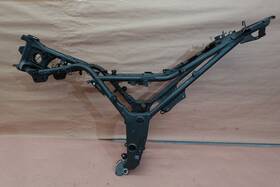
( Manufacturer Part Number: JKAEX8B18FDA21120 ), ( Part Type: Frame ), ( Country Of Origin: Japan )
Review KAWASAKI Main Frame Chassis Wa Bos fits NINJA EX300 300 2013–2017
The **Kawasaki Ninja 300 EX300 (JKAEX8B18FDA21120, 2013 2017 model years)** represents a refined and capable entry into the sportbike segment, blending precision engineering with practicality for both urban commuting and spirited riding. Built upon a **high-strength steel trellis frame** a hallmark of Kawasaki s design philosophy this chassis delivers an optimal balance of rigidity and weight distribution, ensuring sharp handling and responsive feedback through the steering. The frame s construction incorporates a **double-cradle design**, reinforcing durability while maintaining a lightweight profile, which contributes to the bike s agile maneuverability and nimble cornering capabilities. The **subframe** is integrated seamlessly into the main frame structure, enhancing stiffness and reducing flex under high-speed or aggressive riding conditions, making it a standout choice for riders seeking both performance and reliability.
At the heart of the Ninja 300 EX300 lies Kawasaki s **999cc parallel-twin engine**, a powerplant that has been meticulously tuned to deliver a harmonious blend of torque and efficiency. This engine, paired with a **six-speed transmission**, offers a broad powerband that is both approachable for new riders and engaging for those looking to push the limits. The **liquid-cooled design** ensures consistent performance across a range of temperatures, while the **fuel-injected system** optimizes throttle response and fuel economy, making it an ideal choice for daily riders who appreciate both performance and practicality. The **exhaust system**, featuring a **catalytic converter and dual mufflers**, not only enhances the bike s sporty aesthetic but also contributes to a refined, growling exhaust note that resonates with the rider s intentions.
The **suspension setup** on the Ninja 300 EX300 is another standout feature, designed to accommodate a variety of riding conditions with ease. Up front, a **41mm inverted Showa SFF-BP (Stepless Friction Damp) fork** provides adjustable preload, compression, and rebound damping, allowing riders to fine-tune the handling to their preference whether for a softer, more forgiving ride or a firmer, more aggressive setup. At the rear, a **pro-link monoshock** with adjustable preload and rebound damping ensures stability at high speeds while maintaining agility in tight corners. Together, these components create a suspension system that absorbs imperfections in the road while maintaining precise wheel control, making the Ninja 300 EX300 a versatile machine for both city streets and winding backroads.
The **braking system** is equally impressive, featuring **dual 310mm discs up front** and a single 250mm disc at the rear, all paired with **Brembo radial-mount calipers**. This setup provides exceptional stopping power, with progressive modulation that allows for controlled, precise braking even under heavy loads. The **front brake lever** is particularly responsive, offering a firm yet progressive feel that instills confidence in the rider. When combined with the bike s **lightweight construction** thanks in part to its aluminum wheels and high-quality materials the Ninja 300 EX300 achieves an impressive power-to-weight ratio, making it one of the most nimble and responsive sportbikes in its class.
For riders who prioritize comfort and practicality, the Ninja 300 EX300 offers a **sporty yet ergonomic riding position**, with an **upright handlebar** and **well-padded seat** that reduce fatigue during long rides. The **windscreen** provides adequate protection against wind noise and buffeting at highway speeds, while the **LED taillight and turn signals** enhance visibility and modern aesthetics. The **fuel tank**, with a capacity of **14 liters (3.7 gallons)**, offers a respectable range for daily commuting, and the **under-seat storage compartment** provides a convenient space for essentials like a helmet or a spare jacket. The **instrument cluster** features a **digital speedometer, tachometer, and fuel gauge**, along with a **triple-function button** for adjusting settings, ensuring riders have all the information they need at a glance.
The **exterior design** of the Ninja 300 EX300 exudes a sporty, aggressive aesthetic that is both timeless and modern. The **sleek fairing**, **sharp headlight**, and **stylized taillight** give the bike a distinctive look that turns heads on the road. The **blacked-out accents**, **chrome details**, and **matte finishes** add a touch of sophistication, making it a bike that stands out whether parked in a garage or cruising down a highway. The **wheel design**, with its **five-spoke alloy rims**, complements the sporty theme while contributing to the bike s lightweight feel.
In summary, the **Kawasaki Ninja 300 EX300 (2013 2017)** is a meticulously crafted sportbike that excels in both performance and practicality. Its **steel trellis frame** ensures durability and precision, while its **parallel-twin engine** delivers a smooth yet engaging riding experience. The **adjustable suspension and high-quality braking system** make it a joy to ride in any condition, and its **ergonomic design and practical features** cater to both new riders and seasoned enthusiasts. Whether navigating city streets, taking on twisty backroads, or simply enjoying a leisurely ride, the Ninja 300 EX300 offers a perfect blend of sportiness, reliability, and style.
### **Pros and Cons of Buying a 2013-2017 Kawasaki Ninja 300 EX300 (JKAEX8B18FDA21120, Frame Chassis WA/BOS)**
#### **Pros**
1. **Reliability and Durability** The Ninja 300 is a well-engineered, lightweight sportbike with a reputation for longevity. The 296cc parallel-twin engine is simple, robust, and known for lasting well beyond 100,000 miles with proper maintenance. The frame (WA/BOS) is a steel double-cradle design, which is sturdy and resistant to rust if properly cared for.
2. **Performance and Handling** The Ninja 300 delivers strong power for its class, with a peak of around 32 horsepower and 20 lb-ft of torque. The lightweight chassis (around 350 lbs) makes it highly agile, responsive, and easy to maneuver, making it ideal for track days, street riding, or learning advanced techniques. The suspension (Ohlins front, rear progressive-link) is well-tuned for sportbike dynamics.
3. **Maintenance and Repairs** As a popular bike, parts are widely available and relatively affordable. The engine is straightforward, with fewer components than larger bikes, reducing long-term repair costs. Many mechanics are familiar with the model, and aftermarket support (e.g., exhausts, clutches, brakes) is robust.
4. **Fuel Efficiency** The Ninja 300 averages around 100-120 mpg, making it cost-effective for daily commuting or short trips. The small fuel tank (around 3.5 gallons) means frequent refills, but the efficiency offsets this.
5. **Track and Racing Potential** The bike s lightweight nature and sportbike geometry make it a favorite for track days. Many owners modify it for racing (e.g., upgraded brakes, suspension, or engine tweaks), and it performs well in amateur racing categories.
6. **Resale Value** While not a high-end bike, the Ninja 300 holds its value reasonably well compared to other small sportbikes, especially if well-maintained. The 2013-2017 models are still in demand among riders looking for a budget-friendly sportbike.
7. **Comfortable for Beginners and Experienced Riders** The ergonomics are sporty but not overly aggressive, making it suitable for new riders learning to handle a sportbike. Experienced riders appreciate its balance of power and control.
8. **Minimalist Design** The bike s clean, no-frills aesthetic appeals to riders who prefer functionality over flashy styling. The lack of unnecessary weight or complexity contributes to its agility.
---
#### **Cons**
1. **Rust Susceptibility** The steel frame (WA/BOS) is prone to rust, especially in wet or salty climates. The swingarm, subframe, and lower frame sections are common rust hotspots. A thorough inspection of the frame for rust is critical before purchase.
2. **Comfort for Long Rides** The sportbike ergonomics (upright handlebars, aggressive seating position) can lead to fatigue on long rides. The seat is firm and not designed for comfort over extended periods. Riders planning long-distance trips may need to invest in aftermarket seats or handlebars.
3. **Limited Storage** The bike lacks storage options (no top case, small saddlebags), which can be inconvenient for daily commuting or road trips. Aftermarket solutions exist but add cost.
4. **Braking Limitations** While adequate for its class, the stock braking system (single disc upfront, rear drum) is not as powerful as modern sportbikes. Upgrading to a dual-disc front setup or better pads and rotors is often recommended for serious riders.
5. **Noise and Vibration** The parallel-twin engine can be loud, especially at higher RPMs. The bike s lightweight nature also transmits more road and engine vibration to the rider, which may be uncomfortable over time. Sound deadening kits can help mitigate this.
6. **Fuel Tank Size** The small 3.5-gallon tank requires frequent refueling, which can be inconvenient for long rides. This is less of an issue for commuting but may be a drawback for touring.
7. **Aftermarket Costs** While parts are affordable, upgrading components (e.g., suspension, brakes, exhaust) can add up. Some riders opt for aftermarket upgrades to improve performance or comfort, which increases the initial investment.
8. **Age and Wear** As a 2013-2017 model, the bike is approaching 10 years old. Older bikes may have accumulated wear in the engine, transmission, or suspension. A thorough pre-purchase inspection is essential to avoid hidden issues like seized bearings, worn clutch, or failing suspension.
9. **Limited Power for Heavy Riders** The bike s lightweight design means it may struggle with riders over 200 lbs. The engine and chassis are optimized for lighter riders, and excessive weight can affect handling and acceleration.
10. **No ABS (Original Models)** The 2013-2017 Ninja 300 models did not come with ABS (anti-lock braking system). While ABS is not strictly necessary for a small sportbike, it can improve safety, especially for inexperienced riders. Aftermarket ABS kits exist but require installation.
---
### **Conclusion**
The **2013-2017 Kawasaki Ninja 300 EX300** is an excellent choice for riders seeking a lightweight, agile, and affordable sportbike. Its reliability, performance, and track potential make it a favorite among enthusiasts, particularly those interested in learning advanced riding techniques or participating in amateur racing. The bike s simplicity and widespread parts availability also contribute to its appeal.
However, potential buyers must be mindful of its limitations, particularly **rust susceptibility, comfort for long rides, and the need for maintenance**. A thorough inspection of the frame, engine, and suspension is critical to avoid costly repairs. Additionally, riders planning extensive use should consider aftermarket upgrades for braking, comfort, or performance.
For the right buyer someone who prioritizes **agility, performance, and track use** over comfort or long-distance touring the Ninja 300 remains a fantastic value. For those seeking a more comfortable or touring-oriented bike, alternatives like the **Honda CBR300R, Yamaha R3, or Kawasaki Z650** may be worth considering.
---
### **Recommendation**
If you are a **serious rider** looking for a **lightweight, high-performance sportbike** for track days, street riding, or learning advanced techniques, the **2013-2017 Kawasaki Ninja 300 EX300** is a **strong recommendation**, provided you:
- **Inspect the frame for rust** (especially the swingarm, subframe, and lower frame).
- **Verify engine and suspension health** (check for leaks, wear, or seized components).
- **Budget for potential upgrades** (brakes, suspension, or ergonomics if needed).
- **Accept the trade-offs** (comfort, storage, and fuel range limitations).
If you are a **beginner rider** or plan to use the bike primarily for **daily commuting or long rides**, consider a **more comfortable alternative** (e.g., CBR300R, R3, or a naked bike like the Z650). The Ninja 300 is best suited for riders who prioritize **performance and agility** over everyday practicality.
**Final Verdict:** Buy with confidence if you address maintenance concerns and align the bike s strengths with your riding needs. Otherwise, explore alternatives that better match your lifestyle.
Details:
Buyer pays return shipping. All part are used and should be inspected before install. 2013 2017 Kawasaki Ninja 300 EX300 Main Frame Chassis WA BOS: Donor Bike: 2015 with 10786 miles.
part #: jkaex8b18fda21120 prices
- $299.99-$571.41
specifications mocycfra:
- for models: Ex300, 300, Ninja
- for makes: Kawasaki
- for years: 2013-2017
- mpn: Jkaex8b18fda21120
- part type: Frame
- country of origin: Japan
offer mocycfra:
- sold: 0
- quantity: 1
- availability: In Stock
- started: February 4, 2026
- options: Ship-to-home
- best offers: True
seller mocycfra:
- rating: 99.3%
- city: Camas, Washington
- # reviews: 3317
shipping mocycfra:
- cost: $0.00
- service: Flat Rate Freight
- type: Fixed
- class: Freight
payments mocycfra:
- credit card: Mastercard
- other
- wallet: Paypal
general mocycfra:
- Motorcycle Scooter Parts Accessories > Body Frame > Frames Parts
- condition: Used
returns mocycfra:
- time: 30 Days
- paid by: Buyer
- policy: Returns Accepted
Kawasaki JKAEX8B18FDA21120 Is Similar To:
- 0121 Shogun Motorsports No Cut Frame Slider Protector For Kawasaki Zx (13.6% similar) Shogun frame sliders kawasaki ZX-10R 2006 -2007THE slider features CBC-machined pucks made of a shatter-proof, abrasion-resistant and UV resistant polymer. Shogun frame sliders are designed by racers, sold for the serious rider. This polymer has been race proven to keep your bike sliding and ...(March 30th, 2019)
- 0137855 Kawasaki 2015 Ninja 650 Ex650a (43.1% similar) Frame from ninja ex only 2000 MILE ,fit 12,13,14,2015Y...(March 8th, 2017)
- 034-00460 Lightspeed Carbon Frame Guard Set Fiber For Kawasaki (27.1% similar) ...(October 24th, 2018)
- 034-00490 Lightspeed Carbon Frame Guard Set Fiber For Kawasaki (27.1% similar) ...(July 16th, 2018)
- 04-00917-02 Powerstands Black Kawasaki Powersports Racing Frame Sliders (29.5% similar) Shipping available to USA only. Shipping requires a street address...(October 26th, 2018)
- 040bg146410 Yoshimura Works Frame Sliders Kawasaki Protector New (18.3% similar) Brand new never opened...(June 20th, 2018)
- 040bg147000 Yoshimura Chassis Protector Kit Kawasaki (32.3% similar) Brand new in box...(February 25th, 2017)
- 040ha146410 Yoshimura Works Edition Frame Sliders Kawasaki Ninja (19.7% similar) Help minimize damage from sliding type FALLS6061-T6 aluminum mounts are CBC machined and hard-anodize dinner sleeve with laser-etched Chimera logo includes all required mounting hardware stainless steel bolts sold as pairs note: no fairing modifications. The plastic construction is soft enough to ...(July 5th, 2018)
- 0906884 Kawasaki Ninja Rear Subframe Back Sub Frame Bracket Mount (35% similar) Each part is systematically placed to be easily located once purchased. More options available upon request. Many countries only allow 79 max package length and girth combined...(April 11th, 2018)
- 0906885 Kawasaki Ninja Rear Subframe Back Sub Frame (34.1% similar) More options available upon request. Many countries only allow 79 max package length and girth combined. Each part is systematically placed to be easily located once purchased. If the item does not fit motorcycle model's specified in listing...(April 11th, 2018)
- 1051554 Kawasaki 2017 Er-650hframe Chassis (46.7% similar) Each part is systematically placed to be easily located once purchased. More options available upon request. Many countries only allow 79 max package length and girth combined. If the item does not fit motorcycle model's specified in listing...(February 15th, 2018)