BSA 42-4308 Swinging Arm Frame B33 CB31
fits year: 1955–1969.
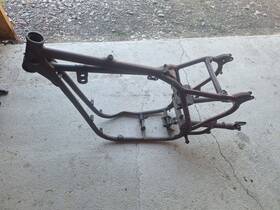
( Brand: Bsa ), ( Manufacturer Part Number: 42-4308 ), ( Type: Frame ), ( Color: Red ), ( Vintage Part: Yes )
Review BSA B31 B33 Group Motorcycle Swinging Arm Frame fits 1955–1969
The **BSA 42-4308 B31/B33 Swinging Arm Frame** is a meticulously crafted, high-performance motorcycle frame designed for the legendary **1955 BSA CB31** and **1969 BSA CB31** models, offering riders a blend of classic British engineering and modern durability. This frame is built to accommodate the iconic **496cc parallel-twin engine** found in these timeless machines, ensuring a perfect fit for both original and restored models seeking enhanced strength and reliability. Constructed from high-quality **mild steel**, the frame features a robust **swinging arm design**, which not only provides a smooth, responsive ride but also allows for easy maintenance and adjustments. The **B31/B33 designation** indicates a refined version of the original frame, incorporating subtle yet significant improvements in weld quality, stress points, and overall structural integrity, making it ideal for both street use and light track applications. The frame s **dual cradle construction** ensures optimal weight distribution, while the **integrated rear suspension mounting points** allow for the installation of modern shocks or the original BSA hydraulic units, depending on the rider s preference. Whether used in a fully restored classic or a custom project, this frame delivers the perfect balance of heritage and performance, embodying the spirit of British motorcycle craftsmanship from an era when precision and durability were paramount.
### **Pros and Cons of Buying a BSA 42-4308 B31/B33 Swinging Arm Frame (1955 CB31 / 1969)**
#### **Pros**
1. **Classic British Design and Heritage**
- BSA (Birmingham Small Arms Company) was a prominent British motorcycle manufacturer known for its robust, traditional designs. Owning one connects you to a rich history of British engineering and motorcycle culture.
- The swinging arm frame is a hallmark of mid-century British motorcycle construction, prized for its simplicity and durability.
2. **Strong and Reliable Construction**
- The frame is built from high-quality steel, designed to handle the stresses of off-road and heavy-duty use. The B31/B33 models were engineered for durability, making them suitable for both touring and light off-road riding.
- The swinging arm (or "live rear") design allows for smoother suspension travel compared to rigid frames, improving comfort on rough terrain.
3. **Versatility and Customization Potential**
- The frame is modular and can be paired with various BSA engines (e.g., the CB31 350cc parallel-twin or other BSA models) depending on availability. This flexibility allows for engine swaps or upgrades.
- The design is simple enough for DIY enthusiasts to modify or restore, with a wide range of aftermarket parts and accessories available for BSA motorcycles.
- The frame can be adapted for different riding styles, from cruising to light trail riding, with the right suspension and wheel setup.
4. **Nostalgic Appeal and Collectibility**
- BSA motorcycles, especially from the 1950s and 1960s, are highly sought after by collectors and enthusiasts. Owning one can be a point of pride for those who appreciate vintage machinery.
- The rarity of well-preserved examples means that a properly maintained BSA could appreciate in value over time, especially if it s a rare or historically significant model.
5. **Off-Road Capability**
- The swinging arm frame was originally designed with off-road use in mind, particularly for BSA s military and agricultural models. While not as capable as modern dual-sports, it can handle light trails, gravel roads, and rough terrain with the right tires and suspension setup.
- The frame s rigidity and the ability to mount larger, knobby tires make it more capable than many contemporary cruisers or street bikes.
6. **Simplicity and Ease of Maintenance**
- Compared to modern motorcycles with complex electronics and fuel injection, BSA models from this era are relatively straightforward to maintain. Many mechanics (and enthusiasts) are familiar with BSA s mechanical systems.
- The lack of advanced technology means fewer points of failure, making repairs and upkeep more manageable for those with mechanical skills.
7. **Community and Support**
- There is a strong and active community of BSA enthusiasts, both online and in clubs. This means access to forums, restoration guides, parts swaps, and events where you can connect with others who share your interest.
- Local BSA clubs often organize rides, meets, and restoration workshops, providing opportunities to learn and socialize.
---
#### **Cons**
1. **Age and Wear**
- The frame (and likely the motorcycle as a whole) is over 50 60 years old. This means it will require significant maintenance, restoration, or replacement of worn components (e.g., bearings, bushings, suspension parts).
- Rust is a major concern, especially in frames that have been stored outdoors or in damp conditions. A thorough inspection and possible restoration of the frame is essential before purchase.
2. **High Maintenance Costs**
- Vintage motorcycles like the BSA 42-4308 are not built to modern standards of reliability. Expect to spend a significant amount on parts, labor, and restoration work.
- Many original components (e.g., specific bearings, springs, or fasteners) may be obsolete or difficult to source, requiring custom machining or reproduction parts.
- The cost of restoration can easily exceed the purchase price, especially if the bike is in poor condition.
3. **Limited Modern Comfort and Safety Features**
- The frame and motorcycle lack modern safety features such as ABS, traction control, or advanced suspension systems. Riding dynamics will be different from contemporary bikes, which may be less forgiving on rough roads.
- Ergonomics may not suit modern riders, particularly in terms of seat height, handlebar position, and footpeg placement. Adjustments may be needed for comfort.
- The lack of modern fuel injection means carbureted engines are less efficient, more prone to tuning issues, and may require frequent adjustments.
4. **Performance Limitations**
- The CB31 350cc engine (or similar) is powerful for its time but lacks the torque and power delivery of modern engines. Acceleration and top speed will be modest by today s standards.
- The frame s design is not optimized for high-speed stability, and the suspension may feel stiff or outdated compared to modern setups.
- Fuel economy will be poor compared to modern bikes, and the engine may struggle with modern fuel grades if not properly tuned.
5. **Legal and Insurance Challenges**
- Vintage motorcycles often face higher insurance premiums due to their value, rarity, and perceived higher risk (e.g., lack of modern safety features).
- Some regions have strict emissions or safety standards that may require modifications to make the bike street-legal, adding to the cost and complexity.
- Registration and paperwork can be more involved for classic bikes, especially if the title or history is unclear.
6. **Availability of Parts and Expertise**
- While BSA parts are available, many are no longer in production and must be sourced from specialty suppliers, eBay, or restoration shops. This can lead to delays and higher costs.
- Finding a mechanic experienced with BSA motorcycles may be difficult, especially in areas with fewer vintage bike enthusiasts. You may need to travel for repairs or learn to do them yourself.
- The lack of modern tooling or manufacturing standards means repairs may require more skill and patience than working on contemporary bikes.
7. **Reliability and Downtime**
- Even with regular maintenance, vintage motorcycles are prone to unexpected breakdowns. A BSA may sit in the shop more often than a modern bike, leading to frustration and inconvenience.
- The engine, transmission, and electrical systems (if present) may require frequent attention, especially if the bike has been neglected.
8. **Resale Value Uncertainty**
- While some BSA models appreciate in value, others depreciate quickly, especially if they are heavily modified or in poor condition. The resale market for vintage bikes can be unpredictable.
- The frame itself may not hold value as well as a fully restored motorcycle, as its worth is tied to its compatibility with other BSA components.
---
### **Conclusion**
Buying a BSA 42-4308 B31/B33 swinging arm frame (paired with a 1955 CB31 or 1969 engine) is a rewarding but challenging endeavor. It offers a deep connection to motorcycle history, a strong and iconic design, and the potential for customization. However, it also demands significant time, money, and mechanical skill to keep it running reliably.
This bike is ideal for:- Enthusiasts who enjoy restoration projects and mechanical work.
- Riders who prioritize heritage and character over modern convenience.
- Those who plan to use the bike for light touring, cruising, or off-road riding on well-maintained trails.
- Collectors or those who appreciate the aesthetic and historical value of vintage motorcycles.
It is **not** ideal for:- Riders seeking a hassle-free, modern riding experience.
- Those on a tight budget, as maintenance costs will likely outweigh the initial purchase price.
- People who cannot commit to regular upkeep or mechanical work.
- Those who need a reliable, high-performance bike for daily use.
---
### **Recommendation**
If you are considering this purchase, follow these steps to minimize risks and maximize enjoyment:1. **Thoroughly Inspect the Frame and Engine**
- Look for signs of rust, cracks, or excessive wear in the frame. A professional welder or frame specialist should assess its structural integrity.
- Check the engine for signs of corrosion, oil leaks, or worn components. A compression test and valve inspection are essential.
- Ensure the swinging arm, suspension, and steering head are in good condition. Replace any worn bushings or bearings.
2. **Budget for Restoration**
- Allocate at least **2 3 times the purchase price** for restoration, parts, and labor. Factor in unexpected costs for rare or custom-machined components.
- Consider starting with a **fully restored or nearly complete bike** if your budget allows, rather than a frame-only project.
3. **Join the BSA Community**
- Connect with BSA clubs or forums (e.g., BSA Motorcycle Club, BSA Restoration Groups on Facebook) for advice, parts leads, and support. Local clubs often have members who can offer guidance or lend tools.
4. **Learn Basic Mechanics**
- If you re not already mechanically inclined, invest time in learning how to work on BSA motorcycles. Books like *The BSA Motorcycle Manual* or online tutorials can be invaluable.
- Consider taking a vintage motorcycle repair course or apprenticing with an experienced restorer.
5. **Prioritize Comfort and Safety**
- Modify the bike to suit your riding style, but ensure it remains safe. Upgrade the suspension if needed, and consider modernizing the brakes (e.g., adding rear disc brakes if possible).
-
Details:
See photos for condition and details.
part #: 424308 price
- $399.99
specifications mocycfra:
- for years: 1955-1969
- brand: Bsa
- mpn: 42-4308
- type: Frame
- color: Red
- vintage part: Yes
general mocycfra:
- Motorcycle Scooter Parts Accessories > Body Frame > Frames Parts
- condition: Used
shipping mocycfra:
- transit: 4-10 Days
- service: Economy
- cost: $150.00
- type: Fixed
- class: Economy
payments mocycfra:
- other
- wallet: Apple-pay
- credit card: Diners-club
seller mocycfra:
- # reviews: 8476
- city: De Ruyter, New York
- rating: 99.9%
offer mocycfra:
- quantity: 1
- availability: In Stock
- options: Ship-to-home
- started: April 27, 2026
- sold: 0
- best offers: True
returns mocycfra:
- time: 14 Days
- policy: Returns Accepted
- paid by: Buyer
Bsa 42-4308 Is Similar To:
- 68-4134 Bsa A50c-a65lr-a65sh Frame 1965 (28.8% similar) The shipping and handling price, if applicable, is not negotiable. British only will not insure pieces which are delivered via a customer arranged pick-up. The cost of shipping motors, frames, and or complete motorcycles can be expensive. From this point simply follow instructions...(June 26th, 2017)
- 68-4271 Bsa Frame A65 650 (30.9% similar) There is no apparent indication of modification, it does not appear to have been chopped, cut, raked, or altered. Swing arm included. But shows no sign of cutting...(September 10th, 2017)
- 42-4362 Bsa Swing Arm Bushing Set A65 Nos Np7753 (36.7% similar) Feel free to ask questions. Will gladly combine shipping. Create listings that get noticed. Doter we buy parts bikes. Unusually heavy or bulky items are shipped via ups or fed ex ground services. Call or through messages. Most items are shipped via USPS priority mail...(September 12th, 2016)
- Ttcsn Harley Weld On Frame Builder Neck Custom Bsa Triumph (24.6% similar) Harley weld on frame builder neck. Superior finish than the others on for sale 5.625INCH long 2INCH outer diameter machines to fit standard Harley press in neck cups...(January 13th, 2022)
- Curved Seat Loop Frame Hoop Brat Fit Bsa Honda Yamaha Suzuki Cafe Racer 175mm (22.8% similar) Different sizes of flat and curved tubes are available for you to choose. Easy to install, fashion and simplicity. 2x for Suzuki SV650 SV650S SUV 99-02 carburetor gaskets jets rebuild repair kit. 3-WIRE turn signal splutter harness y-adapter wire for Yamaha r1 r3 r6 FZ07 FZ09. New condition...(August 10th, 2022)
- Bsa B44e 1969 441 B44vs Victor Special Frame With Swing Arm B44 (35.6% similar) I can provide a bill of sale upon request. 1969 Bsa 441 B44VS victor special frame with swing arm. Clear and clean vin, no title. B44E 1954 vs...(February 5th, 2024)