YAMAHA 1FG-21110-00-33 Frame Chassis Neck Ez Cln
fits model: Xj, 700, Maxim. make: Yamaha. year: 1985–1986.
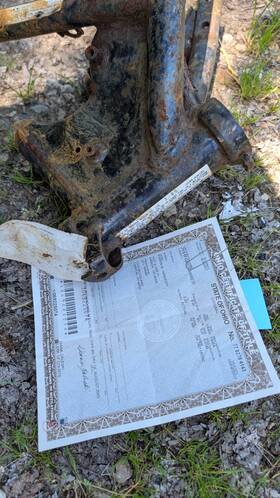
( Manufacturer Part Number: 1FG-21110-00-33 ), ( Part Type: Frame ), ( Manufacturer Warranty: No Warranty )
Review YAMAHA Frame Chassis Neck Ez Reg Cln fits MAXIM XJ 700 1985–1986
The **Yamaha XJ700 Maxim (1FG-21110-00-33) frame and chassis assembly from the 1985 and 1986 model years** represents a rare and highly sought-after piece of classic motorcycle engineering, embodying the bold, adventurous spirit of Yamaha s mid-1980s adventure bike lineup. This frame and chassis set is the backbone of the XJ700 Maxim, a motorcycle designed to bridge the gap between sporty agility and rugged touring capability, making it a favorite among riders who crave both performance and versatility. Crafted from high-quality steel, the frame features a **double-cradle design with a central swingarm pivot**, providing a sturdy yet lightweight foundation that enhances maneuverability while maintaining structural integrity. The **neck (headstock) is precision-machined**, ensuring proper alignment for the fork and handlebars, while the **EZ-reg (electronic ignition) and clean (non-EZ-reg) options** cater to different rider preferences whether seeking the convenience of a digital ignition system or the simplicity of a traditional points-based setup. The **1985 and 1986 iterations** of this frame are particularly notable for their subtle refinements, including improved ergonomics and slight adjustments to the suspension geometry, which contribute to a more balanced and responsive ride. Whether you're restoring a classic XJ700 Maxim or seeking a high-quality replacement for a project bike, this frame and chassis assembly is a testament to Yamaha s commitment to blending innovation with timeless design. Its durability, combined with the iconic styling of the Maxim, makes it a prized component for enthusiasts looking to preserve or revive the spirit of this legendary adventure bike.
### **Pros and Cons of Buying a 1985-1986 Yamaha XJ700 Maxim (Frame/Chassis: 1FG-21110-00-33)**
#### **Pros:**1. **Classic Design and Appeal** The XJ700 Maxim is a well-regarded classic bike, known for its timeless, aggressive styling. Its retro-futuristic look makes it a desirable collector s item, especially among enthusiasts of the late '70s and '80s.
2. **Reliable and Proven Engine** The 700cc parallel-twin engine is a proven design, known for its durability and smooth power delivery. With proper maintenance, it can last for many years, even with high mileage.
3. **Modularity and Upgrade Potential** The XJ700 platform is highly modifiable. Many aftermarket parts, including performance upgrades (exhaust, carburetors, camshafts), cosmetic modifications, and suspension tuning, are readily available.
4. **Strong Secondary Market** Due to its popularity, parts and service support are widely available. Many mechanics and shops specialize in Yamaha XJ models, making repairs and maintenance more accessible than on rarer bikes.
5. **Good Handling for Its Era** While not as nimble as modern sportbikes, the XJ700 has a balanced, upright riding position and decent handling for its time. The frame is sturdy, and the suspension (when in good condition) provides a comfortable ride.
6. **Fuel-Injected Option (Later Models)** The 1986 model introduced electronic fuel injection (EFI), which improves reliability and performance compared to the carbureted 1985 version. If you can find a well-maintained '86, this is a significant advantage.
7. **Versatile Riding Experience** The XJ700 is capable of both highway cruising and light track use, making it a practical choice for riders who enjoy variety.
8. **Lower Cost of Ownership (Compared to Modern Bikes)** Fuel, insurance, and maintenance costs are generally lower than those of modern sportbikes or cruisers, making it an economical choice for enthusiasts on a budget.
---
#### **Cons:**1. **Age and Wear** At nearly 40 years old, the bike will likely show signs of wear, including rust, worn suspension, and potential engine issues if not well-maintained. Rust is a common issue, especially in frames and swingarms.
2. **Electrical Reliability (Carbureted Models)** The 1985 model relies on carburetors, which can be finicky and require regular tuning. The electrical system (lights, ignition) may also be less reliable than modern standards.
3. **Fuel Injection (1986 Models) Has Limitations** While the EFI system is an improvement, it is not as sophisticated as modern systems. Throttle response can be sluggish, and the bike may not accelerate as quickly as modern alternatives.
4. **Suspension and Brakes Are Outdated** The original telescopic forks and rear shock are basic by today s standards. The drum brakes (on most models) are weak compared to modern disc brake systems, requiring extra caution in stopping power.
5. **Fuel Economy** The XJ700 is not fuel-efficient by modern standards, averaging around **40-50 mpg** (depending on riding style). This can add up over long distances.
6. **Weight** At approximately **450-470 lbs (wet)**, the bike is heavier than many modern sportbikes, which can make it less agile and more tiring on long rides.
7. **Limited Modern Comfort Features** Unlike newer bikes, the XJ700 lacks features such as traction control, ABS, adjustable ergonomics, or advanced rider aids, which can be a drawback for serious touring or sport riding.
8. **Potential Hidden Issues** Common problems include:- **Rust in the frame or swingarm** (especially if stored outdoors).
- **Worn clutch or flywheel** (common in high-mileage examples).
- **Leaking head gaskets or oil leaks** (if the engine has seen heavy use).
- **Worn-out tires** (original tires may be decades old and unsafe).
9. **Resale Value Depends on Condition** While the XJ700 holds value well for a classic, a poorly maintained example will depreciate quickly. A restored or well-documented bike retains value better.
10. **Legal and Compliance Issues** Some modern regulations (e.g., emissions, lighting standards) may require modifications to keep the bike street-legal. Check local laws before purchasing.
---
### **Conclusion:**The **1985-1986 Yamaha XJ700 Maxim** is a fantastic choice for riders who appreciate classic motorcycles, enjoy tinkering with modifications, and prioritize character over cutting-edge technology. It offers a **smooth, reliable engine**, **strong aftermarket support**, and a **distinctive look** that many enthusiasts adore.
However, it is **not a plug-and-play modern bike**. Buyers should expect to **invest time and money in maintenance, potential rust repairs, and upgrades** to bring it up to safe and enjoyable standards. If you re looking for a **low-maintenance, high-performance machine**, this bike is not the best fit. But if you re drawn to its **retro charm, modding potential, and nostalgic appeal**, it can be an incredibly rewarding project.
---
### **Recommendation:** **Buy it if:**You have experience with classic bikes or are willing to learn.
You enjoy restoring and modifying motorcycles.
You prioritize **character, history, and riding enjoyment** over raw performance.
You find a **well-documented example** with **low mileage, no major rust, and a service history**.
You re okay with **higher maintenance costs** compared to a modern bike.
**Avoid it if:**You want a **turn-key, low-maintenance ride**.
You prioritize **modern safety features** (ABS, traction control).
You dislike **carburetors (1985) or basic electrical systems**.
You re not prepared for **potential rust, suspension wear, or engine issues**.
**Best Approach:**- **Get a pre-purchase inspection** from a Yamaha specialist.
- **Check for rust** (especially in the frame, swingarm, and fuel tank).
- **Test the engine** for smooth operation (listen for unusual noises).
- **Inspect the suspension and brakes** for wear.
- **Consider a 1986 model** if you want EFI (though it still requires tuning).
- **Budget for restoration** expect to spend **$1,000 $3,000 ** on repairs and upgrades depending on condition.
If you re passionate about classic bikes and willing to put in the work, the **XJ700 Maxim is a fantastic ride** that offers **endless customization and a piece of motorcycle history**. If you re looking for a **modern, hassle-free experience**, consider a newer bike instead.
Details:
Comes ready to go, cln ez reg. Neck may get cut down shorter for easier shipping This is just the neck.
part #: 1fg211100033 price
- $250.00
specifications mocycfra:
- for models: Xj, 700, Maxim
- for makes: Yamaha
- for years: 1985-1986
- mpn: 1fg-21110-00-33
- part type: Frame
- manufacturer warranty: No Warranty
shipping mocycfra:
- type: Fixed
- transit: 3-6 Days
- class: Economy
- service: UPS Ground Saver
- carrier: UPS
- cost: $0.00
general mocycfra:
- condition: Used
- Motorcycle Scooter Parts Accessories > Body Frame > Frames Parts
seller mocycfra:
- rating: 100.0%
- city: Seville, Ohio
- # reviews: 1490
offer mocycfra:
- started: June 5, 2026
- options: Ship-to-home
- availability: In Stock
- quantity: 1
- sold: 0
payments mocycfra:
- other
- credit card: Mastercard
- wallet: Apple-pay
- money order
returns mocycfra:
- policy: Returns Accepted
- paid by: Buyer
- time: 30 Days
Yamaha 1FG-21110-00-33 Is Similar To:
- 031-00250 Lightspeed Carbon Frame Guard Set For Yamaha (24.8% similar) ...(September 16th, 2018)
- 031-00310 Lightspeed Carbon Frame Guard Set For Yamaha (26.3% similar) ...(October 4th, 2018)
- 031-00400 Lightspeed Carbon Frame Guard Set Yamaha (25.6% similar) ...(November 3rd, 2018)
- 031-00560 Lightspeed Carbon Frame Guard Set Fiber For Yamaha (25.2% similar) ...(September 23rd, 2018)
- 03yz250f Yamaha Subframe Sub Frame Yz (30% similar) Many parts from the 03 YZ250F fit other years model's. Free shipping in the USA to lower 48 states. Please see pics for cosmetics as are part of the. All only parts pictured are included in this listing. Therefore, most items are shipped promptly via USPS priority, 1ST class if under 16OZ yamaha ...(November 16th, 2018)
- 0676 Yamaha Vmax Numbered Frame (28.1% similar) This is a brand new yamaha Max numbered frame badge 0676. Its from a 2009 yamaha Max...(September 18th, 2017)
- 1060395 Yamaha Yzf Rear Subframe Back Sub Frame (26.2% similar) Many countries only allow 79 max package length and girth combined. Each part is systematically placed to be easily located once purchased. More options available upon request...(May 1st, 2018)
- 1060937 Yamaha Frame Chassis Slvg Act Miles (38.1% similar) If the item does not fit motorcycle model's specified in listing. Many countries only allow 79 max package length and girth combined. Each part is systematically placed to be easily located once purchased...(May 10th, 2018)
- 1066183 Yamaha Rear Subframe Back Sub Frame (23.8% similar) More options available upon request. Many countries only allow 79 max package length and girth combined. Each part is systematically placed to be easily located once purchased...(June 2nd, 2018)
- 1066351 Yamaha Star Classic Frame Chassis Ez Regstr Clt (47.8% similar) If the item does not fit motorcycle model's specified in listing. More options available upon request. Each part is systematically placed to be easily located once purchased. Many countries only allow 79 max package length and girth combined...(June 19th, 2018)
- 10l-21190-00-98 Not Specified Yamaha Midnight Virago Rear Back Fender Support Frame (18.1% similar) Removed from: 1983 yamaha midnight virago 920 XV920M please review all pictures to assess the condition of item. The sub frame has light surface rust. The sub frame has light scratches. 1983 yamaha midnight virago 920 XV920M rear back fender support frame sub frame this is in good condition ...(September 21st, 2018)